Understanding the Nitrogen Cycle in Aquariums
In any aquarium, whether a simple bowl or a complex reef system, water quality is fundamental to the health of its inhabitants. The nitrogen cycle is a natural biological process that transforms toxic nitrogenous waste into less harmful compounds. Understanding this cycle is essential for anyone maintaining aquatic life, as it directly influences the stability of the aquarium environment and the well-being of its residents.
This article explores the nitrogen cycle in detail, explaining each stage from ammonia production to nitrate accumulation. It also outlines methods for cycling a new tank and offers strategies to minimize stress on fish during this critical period. By grasping these concepts, aquarists can create a more balanced and sustainable aquatic ecosystem.
The information presented here is intended for educational purposes and does not replace professional advice. Aquarium conditions vary, and individual results may depend on factors such as tank size, stocking density, and maintenance routines. Always consult qualified experts when making decisions about your specific setup.
The Nitrogen Cycle: A Biological Overview
The nitrogen cycle is a sequence of biochemical reactions that convert nitrogenous compounds into forms usable by plants and animals. In aquariums, it primarily involves the transformation of ammonia into nitrite and then into nitrate. This process is carried out by nitrifying bacteria that colonize surfaces within the tank, such as filter media, gravel, and decorations. Without these bacteria, toxic waste would accumulate rapidly, endangering aquatic life.
Ammonia is the initial waste product excreted by fish and other aquatic organisms, as well as released from decaying organic matter like uneaten food and plant debris. Even in small concentrations, ammonia can be highly toxic, causing gill damage and stress. The presence of ammonia triggers the growth of ammonia-oxidizing bacteria, which convert it into nitrite. Nitrite is also toxic, though typically less so than ammonia, and it is further oxidized by nitrite-oxidizing bacteria into nitrate. Nitrate is relatively harmless at moderate levels but can become problematic if it accumulates over time.
These bacteria are ubiquitous in the environment and will naturally establish themselves in an aquarium given sufficient time and a steady supply of ammonia. However, the process can take several weeks to complete, during which water quality may fluctuate. Understanding the timeline and the factors that influence bacterial growth is key to successful aquarium management.
Patience is a virtue in aquarium keeping; rushing the nitrogen cycle often leads to setbacks and fish loss.
Stages of the Nitrogen Cycle
The nitrogen cycle progresses through three distinct stages, each mediated by specific types of bacteria. The first stage is ammonification, where organic waste breaks down into ammonia. This can occur through the decomposition of fish waste, uneaten food, or dead plant material. Ammonia is highly soluble in water and can quickly reach toxic levels if not addressed. At this point, the aquarium is not yet safe for fish.
The second stage involves the oxidation of ammonia to nitrite by bacteria such as Nitrosomonas species. These bacteria require oxygen and a surface to attach to, which is why biological filter media are designed with high surface area. As ammonia levels decrease, nitrite levels rise, and the bacteria that consume nitrite begin to proliferate. This stage is often marked by a spike in nitrite, which can also be harmful to fish.
The third stage is the conversion of nitrite to nitrate by bacteria like Nitrobacter. Nitrate is much less toxic and is typically removed through regular water changes or consumed by plants. In a well-established aquarium, nitrate levels are kept in check through maintenance routines. The completion of this stage signifies that the tank is fully cycled and capable of processing waste efficiently.
Each stage overlaps with the next, and the entire process can take anywhere from two to eight weeks, depending on factors such as temperature, pH, and the initial ammonia source. Monitoring water parameters during this time is essential to track progress and avoid harmful spikes.
Cycling a New Aquarium: Methods and Considerations
Cycling a new aquarium is the process of establishing the nitrifying bacteria colony before adding fish. There are several approaches, each with its own advantages and considerations. The fishless cycling method involves adding a source of ammonia, such as pure ammonia or a piece of raw shrimp, to the tank without any fish. This allows bacteria to grow without exposing fish to toxic compounds. The ammonia is consumed over time, and the cycle is considered complete when ammonia and nitrite read zero and nitrate is present.
Another method is fish-in cycling, where a small number of hardy fish are introduced to the tank to produce ammonia naturally. This approach requires frequent water testing and water changes to keep ammonia and nitrite within safe limits. It is more stressful for fish and demands diligent monitoring, but it can be suitable for experienced aquarists.
Regardless of the method, certain factors can accelerate the cycle. Maintaining a temperature around 78–80°F (25–27°C) promotes bacterial growth, as does ensuring adequate oxygen levels through surface agitation. The addition of a bacterial starter culture, available from Aquatic Haven and other retailers, can help seed the tank with beneficial bacteria, potentially shortening the cycling time. However, even with starters, the cycle must complete its course before fish are added.
Testing water parameters daily or every other day is crucial during cycling. Test kits for ammonia, nitrite, and nitrate are widely available. Keeping a log of the results helps track progress and identify when the cycle is complete. Once ammonia and nitrite consistently read zero, a large water change is typically performed to reduce nitrate levels before adding fish.
Avoiding Fish Stress During and After Cycling
Fish stress is a common concern during the cycling process, especially if fish are present. Stress can weaken the immune system, making fish more susceptible to disease. To minimize stress, avoid overstocking and introduce fish gradually. During fish-in cycling, perform frequent water changes to dilute ammonia and nitrite. Using a quarantine tank for new fish can also prevent the introduction of diseases to the main tank.
After the tank is cycled, it is important to maintain stable water parameters. Sudden changes in temperature, pH, or hardness can stress fish. Regular water changes, typically 10–20% weekly, help remove nitrate and replenish minerals. Overfeeding should be avoided, as uneaten food decomposes and adds to the bioload. Observing fish behavior can provide clues about water quality; lethargy, loss of appetite, or gasping at the surface may indicate problems.
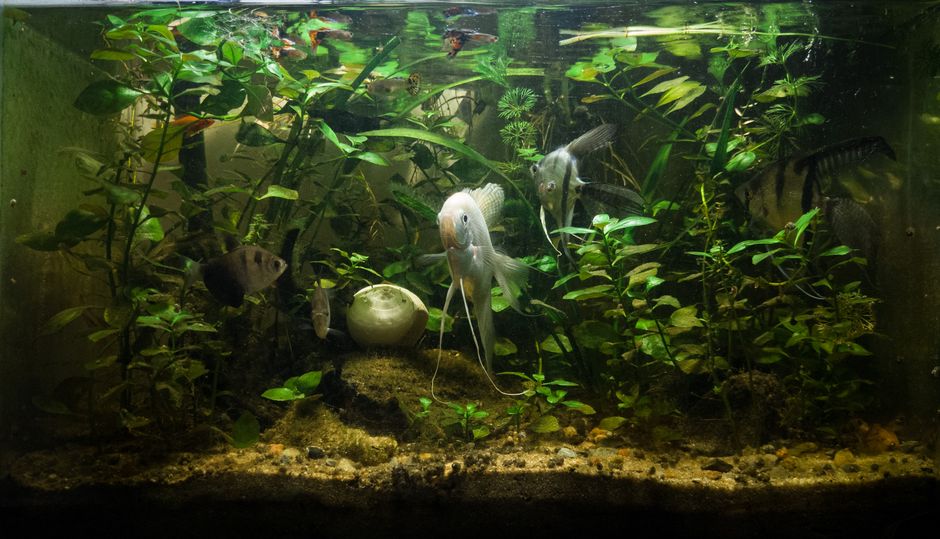
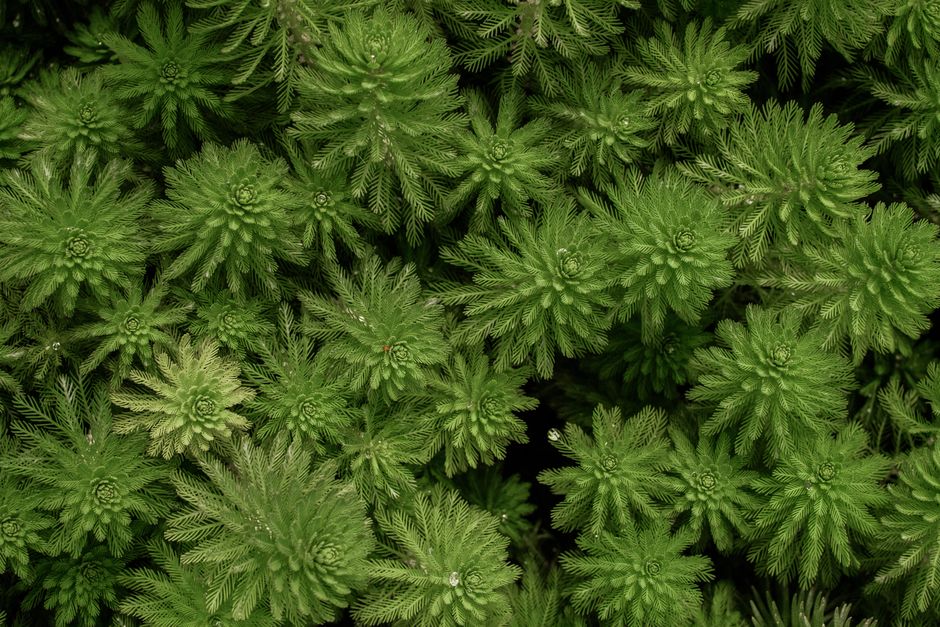
In addition, adding live plants can help absorb nitrate and provide natural cover for fish, reducing stress. Plants also contribute to oxygen production and overall tank health. However, plants may compete with bacteria for ammonia, so their introduction should be timed appropriately. In a well-balanced aquarium, the nitrogen cycle operates continuously, and with proper maintenance, fish can thrive without undue stress.
- Test water regularly for ammonia, nitrite, and nitrate.
- Perform partial water changes to dilute toxins.
- Avoid overfeeding and overcrowding.
- Use a quarantine tank for new fish.
- Consider live plants to aid in nitrate removal.
Maintaining a Healthy Nitrogen Cycle Long-Term
Once the nitrogen cycle is established, it requires ongoing maintenance to remain effective. The bacterial colonies can be disrupted by factors such as medication treatments, prolonged power outages, or thorough filter cleaning that removes too much bacteria. When cleaning filter media, it is advisable to rinse it in tank water rather than tap water, as chlorine and chloramine can kill beneficial bacteria. If antibiotics are used, they may harm the bacteria, and the cycle may need to be re-established afterward.
Regular water testing helps detect any fluctuations in the cycle. If ammonia or nitrite appears in a mature tank, it indicates a problem, such as a dead fish, overfeeding, or a filter malfunction. Prompt action, such as water changes and removing the cause, can prevent fish stress. In some cases, a bacterial supplement may help restore the colony.
Long-term success also depends on avoiding overstocking and maintaining a consistent maintenance schedule. The nitrogen cycle is a dynamic process that adapts to the bioload of the tank. By understanding its principles and applying careful observation, aquarists can create a stable environment where fish and other aquatic life can flourish. Aquatic Haven encourages hobbyists to prioritize water quality and patience, as these are the foundations of a healthy aquarium.