Low-Tech Aquarium Plants That Thrive Without CO2
Low-tech aquarium plants offer a practical approach for hobbyists who prefer to maintain a planted tank without the complexities of carbon dioxide (CO2) injection or intense lighting. These plants are generally adaptable to a range of water parameters and can thrive in setups that rely on ambient conditions. Understanding their specific requirements can help create a balanced and visually appealing underwater environment.
Many popular species, such as Anubias and Java Fern, are well-known for their resilience in low-light and low-nutrient conditions. They can be suitable for beginners and experienced aquarists alike, often requiring minimal intervention once established. This article explores several low-tech plant options, along with general guidelines for their propagation and maintenance.
By focusing on plant selection and basic care techniques, hobbyists can cultivate a thriving aquatic garden without the need for advanced equipment. The information provided here is intended to support informed decision-making and to highlight the variability of results depending on individual tank conditions.
Understanding Low-Tech Planted Aquariums
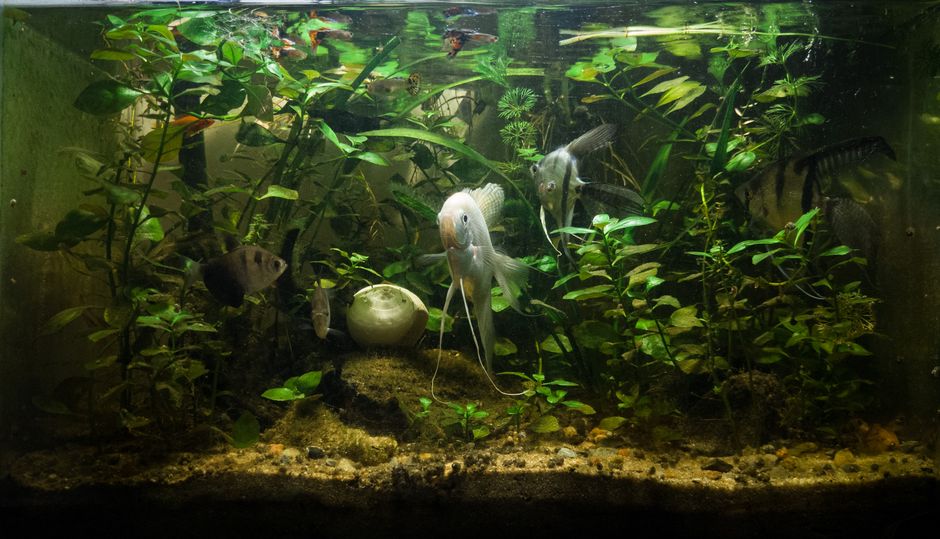
A low-tech planted aquarium typically relies on standard lighting, ambient room temperature, and nutrients present in the water and substrate. Unlike high-tech setups that may use pressurized CO2 systems and specialized fertilizers, low-tech approaches emphasize simplicity and stability. The goal is to create an environment where plants can grow steadily, albeit sometimes more slowly, without intensive management.
Key factors in a low-tech setup include lighting duration, water flow, and the biological load of the tank. Plants that are adapted to low-light conditions often have slower growth rates and can tolerate a range of water hardness and pH levels. It is important to note that while these plants are hardy, they still require some basic care, such as regular water changes and occasional pruning.
In many cases, low-tech plants are epiphytes, meaning they attach to surfaces like rocks or driftwood rather than being planted in the substrate. This characteristic can simplify maintenance and reduce the risk of root rot. Additionally, these plants often obtain nutrients directly from the water column, making them suitable for tanks with inert substrates.
Popular Low-Tech Aquatic Plants
Several plant species are commonly recommended for low-tech aquariums due to their adaptability and ease of care. Anubias and Java Fern are among the most frequently cited examples, but other options exist. Each species has unique characteristics that may influence its suitability for a particular tank.
Anubias
Anubias species are native to Africa and are known for their thick, broad leaves and robust nature. They can grow in a variety of lighting conditions, from low to moderate, and do not require CO2 supplementation. Anubias are typically attached to hardscape or left floating, as burying the rhizome can lead to rot. They are slow growers, which means they require less frequent pruning.
Java Fern
Java Fern (Microsorum pteropus) is a popular epiphytic plant that originates from Southeast Asia. It features distinct, textured leaves and can tolerate low light and a wide range of water parameters. Like Anubias, Java Fern should not be planted in the substrate; instead, it can be tied to rocks or wood. It propagates through spores or by dividing the rhizome.
Other Noteworthy Species
Other low-tech plants include Cryptocoryne species, which can melt when introduced to a new tank but often rebound; Java Moss, a versatile moss that can be attached to surfaces or left floating; and Bolbitis heudelotii, a fern-like plant that appreciates moderate water flow. Each of these plants has specific care requirements that should be researched before adding them to a tank.
Propagation Techniques
Propagating low-tech plants can be a rewarding aspect of the aquarium hobby. Most of these plants reproduce through vegetative means, such as rhizome division or the development of plantlets. Understanding the propagation method for each species can help hobbyists expand their plant collection or share with others.
For Anubias and Java Fern, propagation typically involves cutting the rhizome. The rhizome is the horizontal stem from which leaves and roots emerge. Using a sharp, sterilized scissors or knife, a section of rhizome with at least two or three leaves can be severed. The new section can then be attached to a new surface or left floating. It is important to ensure that the cut is clean to prevent infection.
Java Moss propagates by fragmentation; simply breaking off a piece and attaching it to a new surface can lead to new growth. Cryptocoryne species may produce runners or side shoots that can be separated once they have developed their own root system. In all cases, patience is key, as low-tech plants may take longer to establish than those in high-tech systems.
Maintenance Guidelines
Maintaining a low-tech planted aquarium involves regular but simple tasks. Water changes of about 10-20% per week can help remove excess nutrients and maintain water quality. However, the frequency and volume may vary depending on the tank’s bioload and the specific plants present. Testing water parameters periodically can provide guidance for adjustments.
Lighting should be provided for a consistent period, typically 6-8 hours per day, to support photosynthesis without encouraging algae growth. If algae becomes a problem, reducing the photoperiod or adjusting the light intensity may be considered. Fertilization is often optional in low-tech setups; if used, a balanced liquid fertilizer can be added sparingly, following the product instructions.
Pruning is necessary to control plant size and remove dead or decaying leaves. This practice can also help prevent the spread of disease and improve water circulation. When pruning, use sterilized tools and avoid damaging the rhizome of epiphytic plants. Regular observation of plant health can help identify issues early, such as nutrient deficiencies or pest infestations.
In summary, low-tech aquarium plants like Anubias and Java Fern offer a viable option for hobbyists seeking a planted tank without CO2 injection. By selecting appropriate species and following basic propagation and maintenance practices, it is possible to create a lush underwater landscape. However, results can vary based on individual tank conditions and care routines, and ongoing monitoring is recommended.