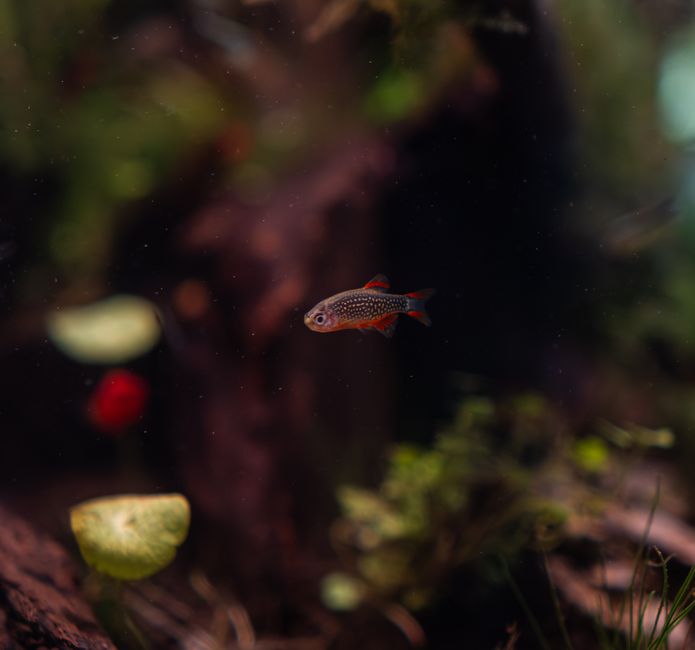
Aquascaping Basics: Creating a Nature Aquarium Style
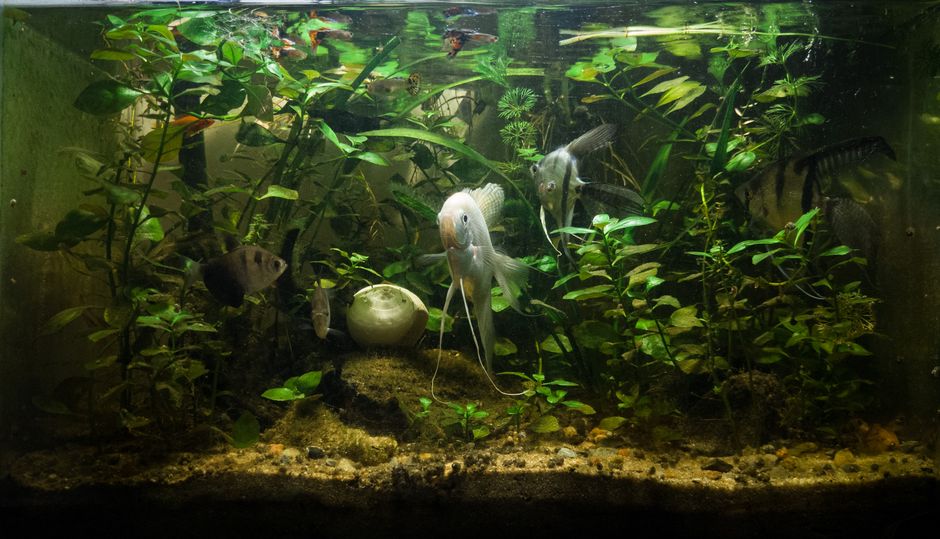
Nature aquarium style aquascaping is a disciplined approach to arranging aquatic plants, stones, and driftwood within a contained aquatic environment. It draws inspiration from natural landscapes and aims to evoke a sense of organic balance rather than geometric precision. The approach emphasizes observation of natural systems and the application of artistic principles to replicate those systems in a glass enclosure. This method requires an understanding of plant biology, water chemistry, and the interplay of light and shadow, all of which contribute to the overall visual and biological stability of the aquarium.
The foundation of nature aquarium style rests on the idea that an underwater landscape can reflect the harmony found in terrestrial environments. This style often features a strong focal point, gradual transitions in plant height and texture, and a sense of depth created by strategic placement of hardscape and flora. Unlike more structured or themed aquascapes, nature aquarium style encourages a dynamic, evolving composition that changes as plants grow and mature. Aquarists who adopt this style typically focus on long-term maintenance and incremental adjustments rather than immediate perfection.
In this article, we will explore the core principles of composition, the selection of appropriate plant species, and the arrangement of hardscape elements. The goal is to provide a comprehensive overview for those interested in creating a balanced underwater landscape. While the information presented is rooted in established aquascaping practices, it is important to recognize that results vary depending on individual tank conditions, maintenance routines, and the patience of the aquarist. No single method guarantees success, but a thoughtful approach can increase the likelihood of achieving a visually pleasing and biologically stable aquarium.
Principles of Composition in Nature Aquarium Style
Composition in nature aquarium style is governed by several time-tested visual principles that help create a sense of natural order. One key concept is the rule of thirds, where the focal point is placed off-center to avoid a static, symmetrical appearance. By dividing the tank into thirds both horizontally and vertically, aquarists can position the main hardscape or a prominent plant cluster at one of the intersection points. This technique draws the viewer’s eye and creates a more dynamic and engaging layout. Additionally, the use of negative space—areas left intentionally empty—is crucial for giving the composition room to breathe and for emphasizing the main elements.
Another principle is the creation of depth through layering. In nature, landscapes recede into the distance, with foreground elements appearing larger and more detailed, while background elements become smaller and less distinct. In an aquarium, this effect can be simulated by placing larger stones and taller plants in the front and gradually transitioning to smaller stones and finer-leaved plants in the back. The substrate can also be sloped from front to back, with the highest point at the rear, which enhances the perception of depth. These techniques, when combined, produce a three-dimensional quality that makes the underwater scene feel more expansive than the actual tank dimensions.
Balance is another essential aspect of composition. Asymmetrical balance is often preferred in nature aquarium style because it mimics natural irregularities. For example, a large, dominant stone on one side can be balanced by a group of smaller stones or a dense cluster of plants on the other side. This creates visual equilibrium without symmetry. Color and texture also play roles in balance: a patch of bright green plants can be counterbalanced by a darker area of shadow or a piece of dark driftwood. The goal is to distribute visual weight evenly across the composition so that no single area overpowers the rest.
Composition is not about rigid rules but about understanding how the human eye perceives natural scenes and translating that understanding into an aquatic layout.
Selecting Aquatic Plants for a Nature Aquarium
Plant selection is a critical component of nature aquarium style, as plants provide color, texture, and the illusion of life. When choosing plants, aquarists should consider the specific conditions of their aquarium, including lighting intensity, nutrient levels, and water parameters. Not all plants thrive in the same environment, so matching species to the available conditions is essential for long-term health and visual appeal. It is also important to consider the growth rate and eventual size of each plant, as some species can quickly overwhelm a tank if not regularly pruned.
In nature aquarium style, plants are typically categorized by their role in the composition: foreground, midground, and background. Foreground plants are usually low-growing and compact, such as carpeting species like Hemianthus callitrichoides or Glossostigma elatinoides. These plants create a lush base and help to soften the transition between the substrate and the hardscape. Midground plants, such as Anubias or Bucephalandra species, are often placed around stones and driftwood to add detail and texture. Background plants, including stem plants like Rotala or Ludwigia, are taller and provide a vertical element that frames the composition. Using a variety of leaf shapes, sizes, and colors can enhance the natural feel of the aquascape.
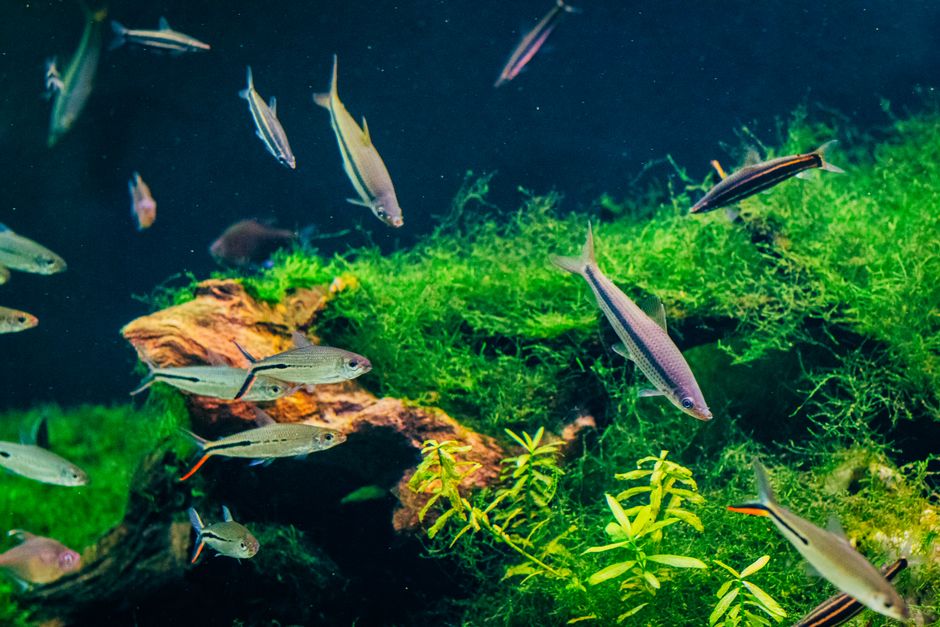
It is also beneficial to include plants that serve specific functions beyond aesthetics. For instance, fast-growing stem plants can help absorb excess nutrients and reduce algae growth, contributing to a more stable ecosystem. Mosses, such as Java moss or Christmas moss, can be attached to hardscape to create a weathered, natural look. Floating plants can provide shade and help regulate light levels, which can benefit lower-growing species. When selecting plants, aquarists should research the specific needs of each species and consider how they will interact with one another over time. A well-planted nature aquarium is not just a collection of individual plants but a community that evolves and adapts.
Hardscape Arrangement: Stones and Driftwood
Hardscape elements, such as stones and driftwood, form the structural backbone of a nature aquarium. They define the layout, create focal points, and provide attachment sites for plants. When arranging hardscape, it is helpful to start with a clear vision of the overall composition. A common approach is to select a primary stone or piece of driftwood that will serve as the main focal point, then arrange secondary and tertiary pieces around it to create a sense of unity and flow. The placement should follow the principles of composition discussed earlier, with attention to asymmetry and depth.
Stones come in various types, each with distinct characteristics. For example, ryūō stones have a rugged, textured surface that works well for creating mountainous scenes, while seiryu stones are lighter in color and have a more angular appearance. Driftwood, such as spider wood or Malaysian driftwood, adds organic lines and can mimic tree roots or branches. When combining stones and wood, it is important to consider how they interact—stones can anchor the composition, while wood can add a sense of movement. It is also advisable to avoid placing hardscape in a way that creates a closed-off or claustrophobic feeling; instead, leave open spaces that allow fish to swim freely and viewers to appreciate the layout.
Before finalizing the hardscape, it can be beneficial to experiment with different arrangements outside the tank. This allows for adjustments without disturbing the substrate or plants. Once a satisfactory arrangement is found, the hardscape can be securely placed in the aquarium. In some cases, aquarists use adhesives or rocks to stabilize stones and prevent shifting. It is also important to consider the long-term stability of the hardscape, as plants will grow and may obscure or alter the original design. Regular maintenance and occasional repositioning can help maintain the intended composition. Ultimately, the hardscape should serve as a foundation that supports the overall aesthetic and biological goals of the nature aquarium.
Balancing Light, Water, and Nutrients
Achieving a balanced underwater landscape extends beyond visual arrangement to include the management of light, water, and nutrients. These factors are interdependent and must be considered together to create a stable environment for plants and animals. Lighting is particularly important because it drives photosynthesis and influences plant growth patterns. In nature aquarium style, the goal is often to provide enough light to support healthy plant growth without encouraging excessive algae. The intensity and duration of lighting should be adjusted based on the plant species and the tank’s depth. Many aquarists use programmable LED fixtures to simulate natural day-night cycles and to control light intensity.
Water parameters, such as temperature, pH, hardness, and nutrient levels, also play a significant role in plant health. Regular testing and gradual adjustments are preferable to drastic changes, which can stress plants and fish. Nutrient dosing, whether through liquid fertilizers or root tabs, should be tailored to the needs of the plants and the bioload of the aquarium. In a nature aquarium, it is common to aim for a balance where plants outcompete algae for nutrients, but this requires careful monitoring and adjustment. CO2 injection is often used to enhance plant growth, but it must be regulated to avoid harming fish and invertebrates.
Maintenance routines, such as water changes, pruning, and cleaning, are essential for sustaining balance over time. Pruning not only controls plant size but also encourages bushier growth and removes decaying matter that can degrade water quality. Water changes help dilute accumulated nutrients and reset the system. It is important to observe the aquarium regularly and make small adjustments as needed rather than adhering to a fixed schedule. Each aquarium is a unique ecosystem, and what works for one may not work for another. By paying attention to the interplay of light, water, and nutrients, aquarists can create a resilient and visually appealing nature aquarium.
Maintaining and Evolving Your Aquascape
Maintaining a nature aquarium is an ongoing process that involves both routine care and creative evolution. Over time, plants will grow, hardscape may shift, and the overall composition will change. Rather than resisting these changes, many aquarists embrace them as part of the dynamic nature of the style. However, it is still important to guide the development of the aquascape to ensure it remains balanced and healthy. Regular trimming and replanting can help maintain the intended shape and prevent overcrowding. Removing excess plants or algae is also necessary to preserve water quality and light penetration.
As the aquarium matures, aquarists may choose to make adjustments to the layout, such as replacing a plant species or repositioning a stone. These changes should be made thoughtfully, with consideration for the overall composition and the needs of the inhabitants. It can be helpful to document the aquarium’s progress through photographs, which allows for reflection on how the scape has evolved and what adjustments might be beneficial. The nature aquarium style encourages a long-term perspective, where patience and observation are valued over quick fixes.
In conclusion, creating a nature aquarium style aquascape is a multifaceted endeavor that combines artistic vision with biological knowledge. By applying principles of composition, carefully selecting plants, and thoughtfully arranging hardscape, aquarists can develop a balanced underwater landscape that reflects the beauty of natural environments. While the process requires dedication and a willingness to learn, the rewards include a captivating and dynamic aquarium that can be enjoyed for years. It is important to remember that every aquarium is a unique system, and success depends on a combination of factors including consistent maintenance, appropriate equipment, and the aquarist’s attention to detail. Aquatic Haven encourages enthusiasts to explore this rewarding hobby with curiosity and respect for the natural world.